WHAT HAPPENS TO THE BODY WITH CALCIUM OVERLOAD?
Calcium plays a vital role in various parts of the body, such as bones, the nervous system, muscles, and the immune system... However, excessive calcium can lead to very dangerous conditions like kidney stones, hyperthyroidism, and digestive disorders...
1. The Role of Calcium
Calcium is the most important component, making up about 70% of bone weight, helping bones develop and increase height. For the nervous system, calcium participates in pituitary gland activity, ensuring the transmission of information between nerve cells and between nerve cells and other cells.
Calcium is crucial for muscle movement, heart muscle, and smooth muscle, helping maintain heartbeat rhythm, blood clotting, and the metabolic activities of organs. Additionally, calcium is involved in the process of destroying disease-causing agents that invade the body.
Reference: The Role of Calcium
2. What Diseases Does Calcium Deficiency Cause?
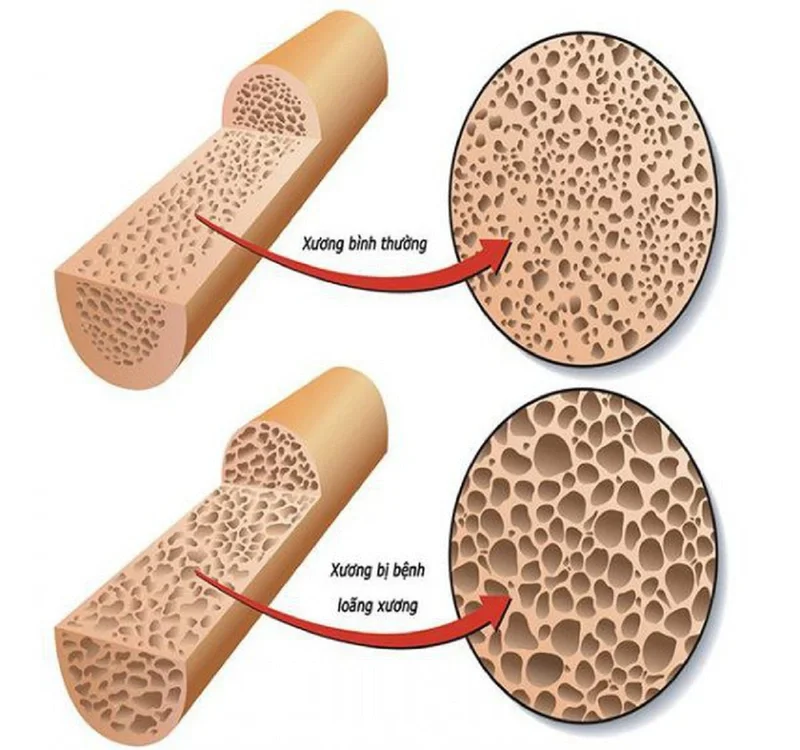
Calcium plays a very important role, just like Vitamin D3, which helps support calcium absorption and metabolism into the body. Get plenty of sunlight exposure for the body to synthesize its own vitamin D3 to supplement calcium. Therefore, calcium deficiency causes rickets and stunted growth in children, even after entering puberty, while in older adults it causes osteoporosis and bone-related diseases, especially in women during menopause.
The main causes are malnutrition, deficiency due to calcium metabolism disorders, or the body's difficulty in absorption. Easily noticeable signs include weak bones and teeth, brittle nails that break easily, a weakened immune system, fatigue, stress, and insomnia.
3. How to Supplement Calcium?
Supplement calcium for individuals with high calcium demands, such as pregnant and breastfeeding women, to support strong bones and teeth. Providing adequate calcium supports enhanced development in children, prevents rickets, and combats osteoporosis in the elderly. Calcium-rich foods include field crabs, fresh marsh crabs, shrimp, small shrimp, various snails, fresh fish, mussels, beans... These calcium-rich foods provide easily absorbable organic calcium.
Some vegetables high in calcium include persicaria, wood ear mushrooms, and celery. In some cases of poor calcium absorption, oral supplementation is necessary. The amount of calcium the body needs to absorb per day varies depending on gender (male or female) and whether it's a child or an adult. Therefore, supplementing calcium by eating foods containing adequate calcium levels is sufficient, correct, and scientific. On the other hand, to provide enough calcium, it's also advisable to increase physical activity, exercise in the morning, drink milk, and eat adequately without skipping meals.

4. What Diseases Does Calcium Overload Cause?
Calcium overload also causes extremely dangerous diseases in children. The normal calcium requirement for infants is 300mg per day, and 500mg when the child is 9 months old. When using over 2000mg of calcium along with 1000 mg of vitamin D for children under 1 year old, the child will experience calcium overload, causing thirst, more frequent urination, constipation or diarrhea, vomiting, irregular heartbeat, fatigue, loss of appetite, early bone ossification potentially leading to short stature, and arterial calcification.
Calcium Overload Causes Hyperthyroidism: If the parathyroid glands are stimulated due to calcium deficiency, they must continuously secrete more hormone, causing the parathyroid function to work beyond its limits and lose control over blood calcium levels. At this point, high blood calcium levels lead to irregular heartbeat, forcing the thyroid gland to secrete hormone to reduce blood calcium levels and expel the excess calcium. The parathyroid glands are responsible for controlling calcium and phosphorus levels in the body. When parathyroid hormone is produced in large quantities, there is a high risk of developing hyperthyroidism due to calcium overload.
Calcium Overload Causes Cardiovascular Diseases: Calcium blood disorders and cardiac arrhythmias occur because large amounts of calcium trigger the release of various hormones, causing heart attacks that affect the cardiovascular system.
Calcium Overload Reduces Nutrient Absorption: Excess calcium causes iron and zinc deficiency, reducing body activity, leading to low blood pressure and irregular heartbeat, affecting the nutrient absorption of cells.
Calcium Overload Causes Kidney Stones: When the body has excess calcium, it is excreted through urine, overloading the kidneys and causing calcification, increasing the risk of ureteral stones and kidney stones. This condition needs timely treatment; otherwise, serious consequences can occur.
Calcium Overload Causes Digestive Disorders: Loss of appetite, stomach pain, diarrhea, and sometimes constipation can result from excessive calcium supplementation.
Thus, calcium is an indispensable component for the comprehensive development of a child from birth. For infants under 6 months, exclusive breastfeeding is recommended; calcium will be obtained from breast milk. For children over 6 months, besides breast milk, calcium can be supplemented through the daily diet with calcium-rich products like fresh milk, cheese, and green vegetables such as broccoli and kale, as they are rich in calcium and very good for the child's development.
Let children sunbathe to supplement vitamin D, helping them absorb calcium better for a healthy body. However, also consider, research, and consult experts to avoid cases of excessive supplementation causing calcium overload, which easily leads to dangerous diseases affecting health.
---------------------------------------
DDA VIETNAM INVESTMENT JOINT STOCK COMPANY
☎️ Hotline: 1800 9070 – 0983 746 986 – 0962 700 060
✉️ Email: [email protected]
📍 TikTok: @dda.vietnam
📍 Website: ddavietnam.vn
📍 Address: No. 8, Chien Thang Residential Group, Ha Dong Ward, Hanoi City